Experience
Septic Tank Failure Cleanup in Seattle
Septic Tank Failure Cleanup addresses raw sewage releases, contaminated soils, and indoor contamination caused by a septic system malfunction. If you see sewage backing up into drains, standing sewage near the tank, persistent sewage odors, or unusually saturated ground near the drainfield, cleanup is necessary to remove hazards, stop further spread, and restore safe conditions. This service removes sewage and contaminated materials, disinfects affected areas, and arranges safe disposal and testing when required.
What is Septic Tank Failure Cleanup?
Septic Tank Failure Cleanup is the professional removal of sewage, solids, and contaminated materials after a septic system fails or overflows. The service combines sewage extraction, containment, sanitation, and disposal to reduce health risks and environmental impact. It often includes Emergency Sewage Cleanup, Sanitation and Decontamination Services when immediate action is required to protect people, pets, and property.
What does Septic Tank Failure Cleanup include?
Septic Tank Failure Cleanup typically includes an initial site assessment, removal of liquid sewage and accumulated solids, containment of contaminated soil or materials, and sanitation of affected surfaces. Technicians implement measures to stop ongoing leaks and to prevent cross-contamination between clean and contaminated zones. The work may also include sampling, lab testing, and documentation if regulatory reporting or insurance claims are necessary.
Common tasks performed during cleanup: - Visual and instrument-based assessment of contamination extent. - Vacuum pumping of sewage from tanks, pits, and flooded areas. - Excavation and removal of heavily contaminated soil when needed. - Disinfection of non-porous surfaces and treated porous materials. - Temporary measures to control odor, vector attraction, and runoff. - Transport and disposal of sewage and contaminated solids at permitted facilities.
Who may need Septic Tank Failure Cleanup?
Homeowners, landlords, property managers, and small-business operators may need Septic Tank Failure Cleanup when their onsite sewage system malfunctions. People who notice raw sewage in basements, sinks that back up with sewage, or saturated areas near the septic tank or drainfield should arrange cleanup. Properties sold or inspected after a failure may also need professional cleanup to meet disclosure or repair requirements.
When should you schedule Septic Tank Failure Cleanup in Seattle, WA?
Schedule cleanup as soon as raw sewage or heavy contamination is present, because continued exposure increases health risks and property damage. If sewage is entering living spaces, producing strong odors, or spreading across the yard, prioritize immediate response. Emergencies such as basement sewage backups or large surface releases typically require same-day or next-available response; less severe situations can be scheduled within a short window after assessment.
How does the Septic Tank Failure Cleanup process work?
- Initial contact: You describe the problem and available access details. The provider records symptoms, locations, and any safety concerns.
- Assessment: A trained technician inspects the site and uses visual, probe, and sometimes instrument methods to determine contamination extent. They identify immediate hazards and containment needs.
- Scope identification: The technician defines tasks, equipment, crew size, waste volumes, and any required permits or notifications. They provide a written scope for approval.
- Preparation: The crew isolates the area, erects containment and traffic control, notifies occupants, and sets up equipment to prevent spread during work.
- Service execution: Crews remove sewage, pump and vacuum liquids, excavate contaminated soils if necessary, and decontaminate surfaces with appropriate disinfectants and protocols.
- Inspection or quality checks: Technicians verify that visible contamination is removed, take photos, and may collect samples for lab analysis if required.
- Completion: The crew removes containment, disposes of waste at permitted facilities, and provides a scope-of-work completion statement.
- Follow-up or maintenance: The provider advises on repairs, monitoring, and preventative maintenance to reduce recurrence.
Each step adapts to property conditions and regulatory needs. Professionals coordinate with local authorities when spills may affect public collection systems, surface waters, or regulated areas.
What factors affect Septic Tank Failure Cleanup?
Property conditions affect the required cleanup methods. Soil type, depth to groundwater, tank and drainfield layout, tank access, and the volume of released sewage determine equipment and excavation needs. Weather and seasonal ground saturation can impede access or increase spread of contamination.
System characteristics also matter. Older tanks, systems with solids buildup, and non-standard installations often require more extensive cleanup and removal of contaminated solids. The presence of hazardous chemicals or foreign materials in the sewage changes disposal requirements and safety precautions.
Regulatory and disposal factors influence work scope. Permitted disposal facilities and local waste rules may require additional transport and handling steps. Professionals assess these variables during the initial assessment and explain how each factor affects cost, duration, and outcome.
What should you expect from Septic Tank Failure Cleanup in Seattle, WA?
Expect an assessment to come first, followed by a written scope or work order that explains tasks and safety measures. Typical on-site activity includes containment setup, sewage pumping, debris removal, and surface disinfection. Work crews may need to shut off water to parts of the property temporarily and block access to affected areas.
You should expect some disruption while equipment operates and crews move soil or pump trucks into position. Odor control measures are commonly used during active work and may continue briefly after completion. Providers typically document the work with photos and notes for your records, which can be useful for insurance or permitting.
If excavation is required, expect additional coordination for soil testing and permitted disposal. The provider should explain whether drainfield repairs or full septic system replacement are necessary and provide guidance on next steps.
What preparation should customers do before service?
Provide accurate information about the tank location, recent symptoms, last pumping date, and any electrical or buried utilities near the area. Clear gates and driveways to allow safe access for trucks and equipment. Secure pets and keep people away from contaminated areas until crews arrive.
Avoid entering or disturbing contaminated zones. Do not attempt to pump, shovel, or treat sewage with household chemicals. If sewage is inside the home, turn off forced-air HVAC to limit spread of aerosols and unplug electrical equipment in flooded areas if safe to do so. Communicate any health concerns, such as people or animals with compromised immune systems, when scheduling the service.
What equipment and materials are commonly used?
Common equipment includes vacuum trucks and high-capacity pumps for liquid removal, portable containment barriers for control of runoff, and excavation machinery for contaminated soil removal. Field instruments such as gas monitors, moisture meters, and photo documentation tools assist assessment and safety checks.
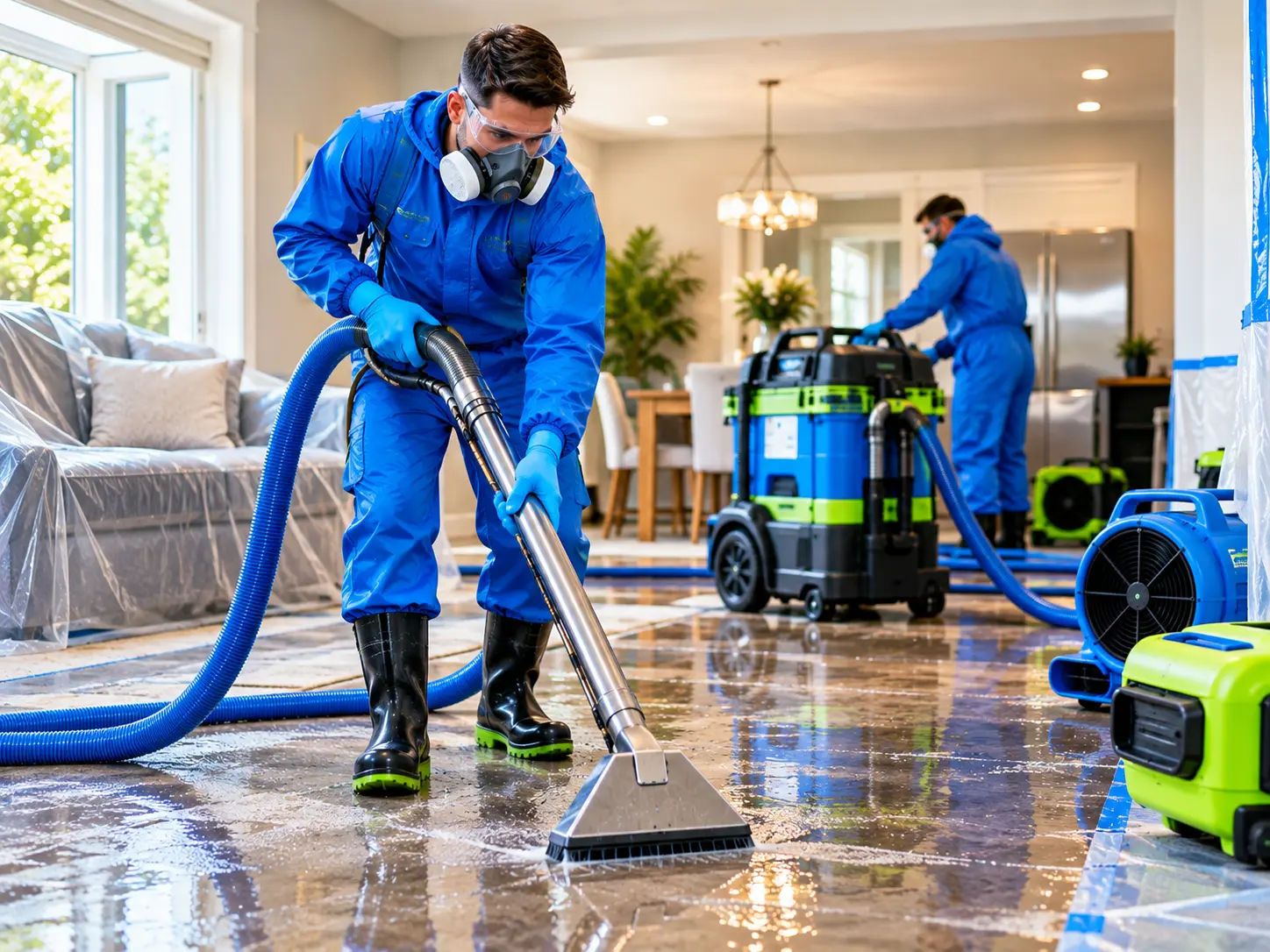
Personal protective equipment (PPE) typically includes impermeable coveralls, gloves, boots, face shields or goggles, and N95 or higher respiratory protection when airborne contamination is possible. Disinfectants approved for sewage-related pathogens, deodorizers, and absorbent materials aid sanitation and odor control. For indoor contamination, air scrubbers or negative-pressure equipment may be used to reduce airborne particulates.
What safety considerations apply?
Sewage contains biological pathogens and chemicals that pose health risks on contact and via inhalation. Professionals treat sewage-contaminated areas as hazardous work zones and implement PPE, hand-washing protocols, and biological safety practices. Avoid direct contact with sewage and contaminated materials unless you have appropriate training and protective gear.
Confined-space hazards, such as toxic or flammable gases in tanks and pits, present serious risk and require specialized monitoring and permit procedures. Do not enter septic tanks or pits without trained professionals and proper equipment. Electrical hazards may exist with pumps or when water contacts outlets, so crews coordinate with property owners about power shutoffs.
Local disposal regulations and environmental rules require adherence to permitted handling and transport methods. Professionals managing cleanup should document waste manifests and disposal locations when required by law.
How is follow-up and maintenance handled after cleanup?
After cleanup, professionals typically provide a report describing actions taken, areas cleaned, and any samples collected. They may recommend repairs or replacements for failed components and propose a maintenance schedule to reduce future risk. Regular septic inspections, scheduled pumping, and avoiding disposal of inappropriate solids or chemicals help maintain system function.
Follow-up monitoring can include periodic checks of saturated zones and visual observation for renewed odors or backups. If contaminated soil was removed, the provider may suggest soil restoration or regrading to restore the landscape. Keep records of cleanup and repairs for insurance and property disclosure purposes.
What factors influence cost and duration?
Cleanup cost and duration often depend on the volume of sewage released, level of contamination, accessibility of the tank or affected area, and whether excavation is required. Indoor contamination or basement sewage backups typically increase labor, dehumidification, and drying time. Disposal fees at permitted facilities and transport distance can also affect cost.
Permit requirements, laboratory testing, and coordination with other trades (plumbers, septic repair contractors, electricians) can lengthen the timeline. Weather and ground conditions may delay excavation or disposal. Providers assess these variables and explain how each one changes the expected time and cost.
What questions should you ask a Septic Tank Failure Cleanup provider?
Ask the provider to explain their planned scope of work and how they will stop ongoing leakage. Request details on waste disposal methods and where waste will be taken. Confirm safety measures they will use on site, including confined-space procedures and gas monitoring.
Other useful questions: - Will you provide a written work order and documentation after completion? - Do you coordinate with local regulators or obtain permits when needed? - What follow-up monitoring or maintenance do you recommend? - How will you protect unaffected areas during cleanup? - Who will be the point of contact during the job?
These questions help compare responses and ensure the provider aligns with your expectations for safety and documentation.
When should you call professional assistance?
Call professionals immediately when raw sewage appears in living spaces, when strong sewage odors persist indoors, or when you observe large surface releases near the tank or drainfield. Call professional help if people are becoming ill, pets have access to contaminated areas, or if confined spaces like tanks or pits require entry. Hire professionals rather than attempting significant remediation yourself.
If you have any doubt about the presence of hazardous gases, electrical hazards, or the scale of contamination, prioritize a professional assessment. Trained crews have the equipment and protocols to reduce exposure and comply with disposal regulations.
Local considerations for properties in Seattle, WA
Service requirements and permitting may vary in Seattle, WA, so professionals will check local rules and notify authorities when required. Property-specific factors such as lot layout, tank access, and proximity to wells or surface water influence the cleanup plan. Local weather and seasonal access limitations can affect scheduling and equipment choices.
When you contact a local Septic Tank Failure Cleanup provider, share any prior septic inspection reports or documentation to speed assessment. A local provider can advise on any known municipal procedures and coordinate with permitted disposal facilities that serve Seattle, WA.
How do Emergency Sewage Cleanup, Sanitation and Decontamination Services relate to septic failures?
Emergency Sewage Cleanup is the rapid-response element that controls and removes sewage immediately after a failure. Sanitation includes disinfection of surfaces, odor control, and reduction of vector attraction. Decontamination Services address porous materials and indoor systems that may have been exposed to sewage, using specific cleaning agents and containment strategies.
Together these services reduce health risk, limit property damage, and prepare a site for repairs or restoration. For indoor exposures, decontamination may include HEPA vacuuming, surface scrubbing, and testing for residual contamination. For outdoor releases, the focus is on containment, removal of saturated soil, and preventing runoff to surface waters.
Customer decision support: how to prepare and choose a provider
Provide clear, accurate information about symptoms, locations, and access when you call. Ask providers to explain their cleanup sequence, health and safety protocols, and how they will document waste handling. Compare providers based on clarity of scope, willingness to coordinate with regulators, and ability to provide written reports and photos.
Red flags to watch for include providers who refuse to provide a written scope, who downplay safety precautions, or who suggest unregulated disposal. Prefer providers who explain disposal logistics and who describe follow-up monitoring and maintenance recommendations. Keep communication channels open during work and request contact details for the project manager.
FAQ
Q: Is Septic Tank Failure Cleanup the same as a standard septic pumping? A: No. Standard septic pumping removes solids and scum to maintain a functioning tank, while Septic Tank Failure Cleanup responds to a failure or release and includes containment, sanitation, possibly excavation, and disposal of contaminated materials.
Q: Can I stay in my home during cleanup after a septic failure? A: It depends on the extent and location of contamination; professionals will advise based on hazards. If contamination is isolated outdoors and technicians control exposures, occupants may remain with precautions. If sewage has entered living spaces or air quality concerns exist, temporary relocation may be recommended until decontamination is complete.
Q: Will you test for pathogens or contaminants after cleanup? A: Providers may collect samples when required for regulatory reporting, insurance, or to confirm decontamination effectiveness. Sampling decisions depend on the exposure type, indoor versus outdoor contamination, and any directions from local authorities.
Q: How will contaminated soil be handled? A: Contaminated soil that cannot be remediated in place may be excavated, staged, and transported to a permitted disposal facility. The need for excavation versus in-place treatment depends on contamination depth, soil type, and local disposal regulations. The provider will document disposal actions as required.
Q: Are there limitations to what cleanup can restore? A: Cleanup removes and reduces biological and chemical hazards, but structural damage, porous material saturation, and long-term soil impacts may require repair or replacement. Complete restoration may involve trades such as septic repair contractors, landscapers, or building contractors depending on damage.
Q: What steps reduce the chance of future septic failures? A: Regular inspections, scheduled pumping, avoiding disposal of fats, grease, and non-biodegradable items, and conserving excessive water use reduce failure risk. Professionals will outline preventative maintenance and monitoring steps after cleanup.
Q: Will I need permits or to notify authorities for a septic failure in Seattle, WA? A: Permit and notification requirements vary; providers assess whether reporting or permits are necessary and can coordinate with local authorities on your behalf. If a spill threatens surface waters or public systems, formal notifications are more likely.
Q: What are the limitations of DIY cleanup? A: DIY cleanup often lacks proper PPE, waste-handling certificates, and access to permitted disposal channels. Homeowners risk exposure to pathogens, inhalation of hazardous gases, improper disposal, and incomplete decontamination. For anything beyond minor, contained drips, professional assistance is safer and more compliant.
Contact the team about your Septic Tank Failure Cleanup needs or Emergency Sewage Cleanup, Sanitation and Decontamination Services in Seattle, WA by calling (888) 679-3880 to discuss the situation, arrange an assessment, and get a written scope of work.
[End of Article]
Quality Assurance
We guarantee exceptional septic tank failure cleanup results with every project.
Prompt Service
On-time service delivery with attention to every detail.